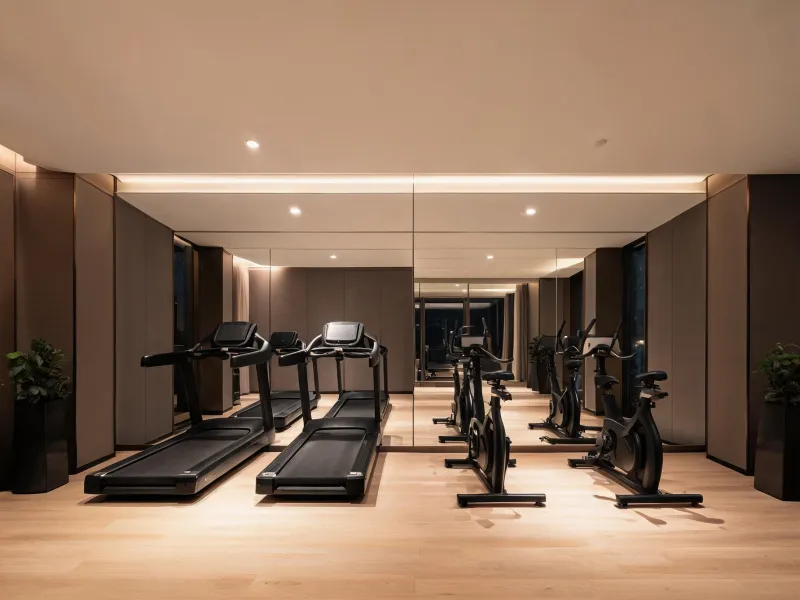
Hotels & Resorts
Prioritize intuitive setup, low-noise placement, mixed experience levels, and maintenance windows that do not disturb guests. Compactness cannot remove the operating clearance stated by the model.
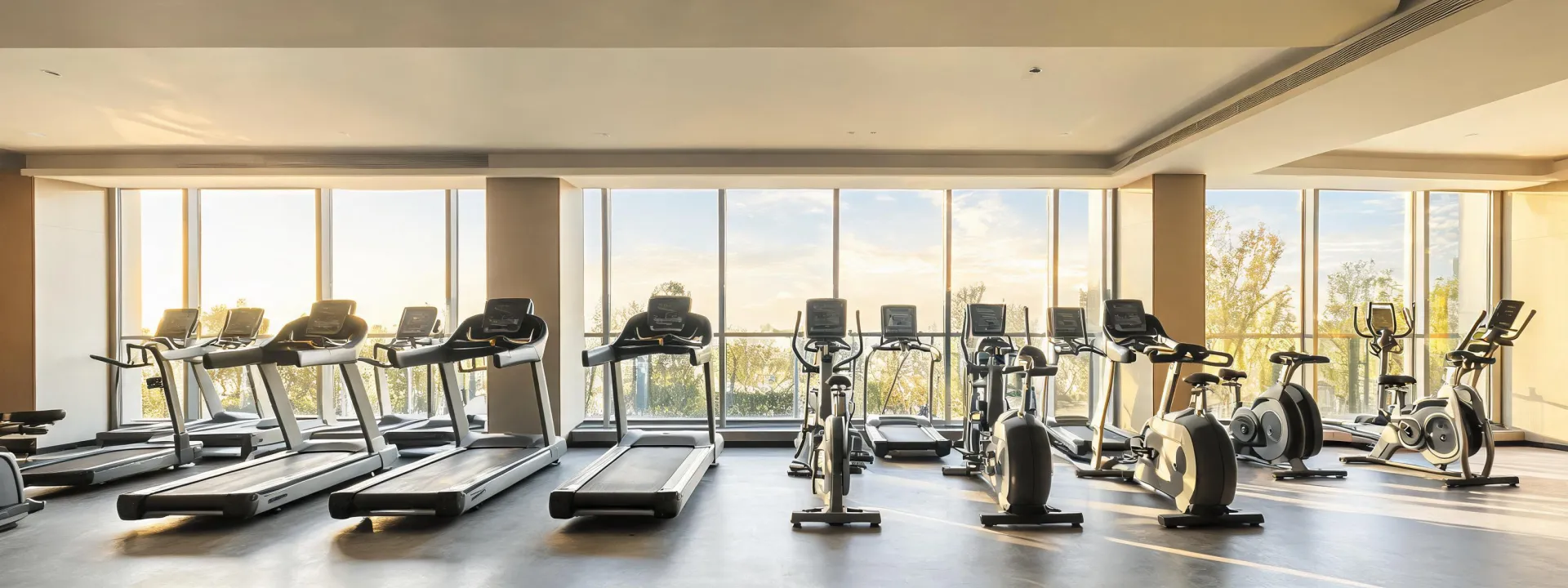
The same catalog produces different answers when operating hours, supervision, user mix, acoustic limits, and service access change.
Prioritize intuitive setup, low-noise placement, mixed experience levels, and maintenance windows that do not disturb guests. Compactness cannot remove the operating clearance stated by the model.
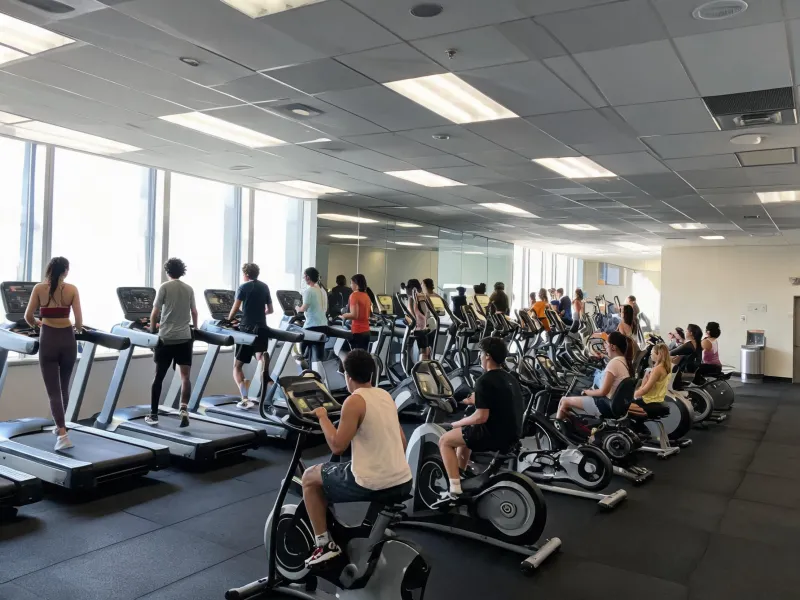
Long opening hours and rapid user turnover favor clear adjustments, documented inspections, and a mix that avoids queues. Peak occupancy must be observed rather than estimated from annual membership.
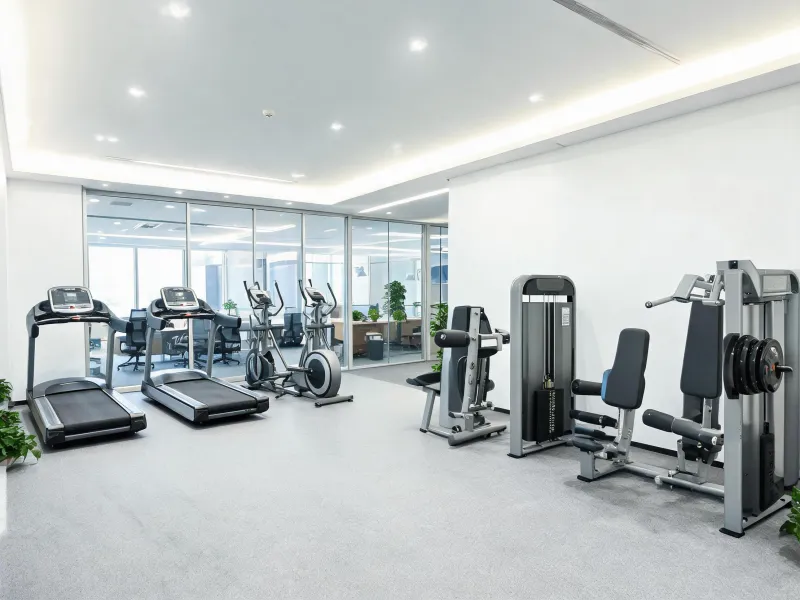
Short sessions and varied ability levels reward accessible controls and selectorized resistance. Capacity planning should consider the lunch-hour peak, changing rooms, and circulation together.
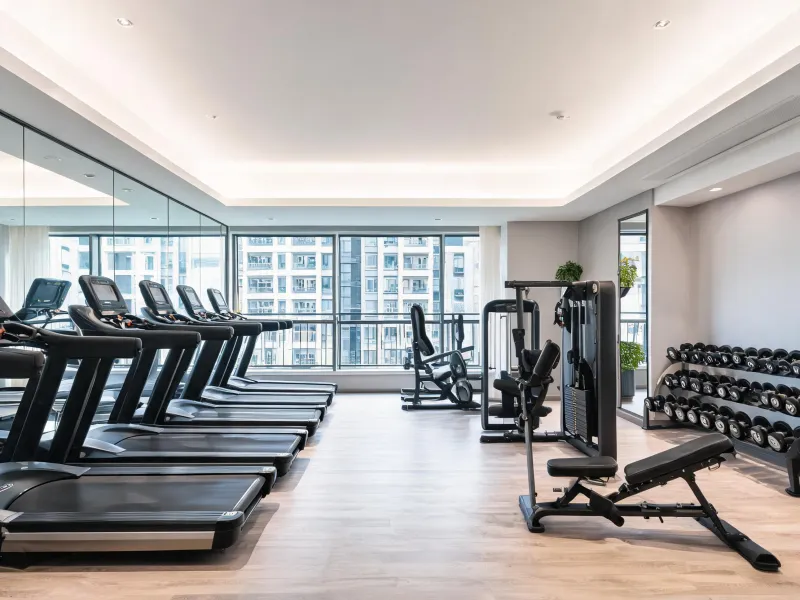
Unsupervised use increases the value of simple instructions, stable placement, controlled access, and a service contact visible to property staff. Residential-grade hardware may not match shared-space hours.
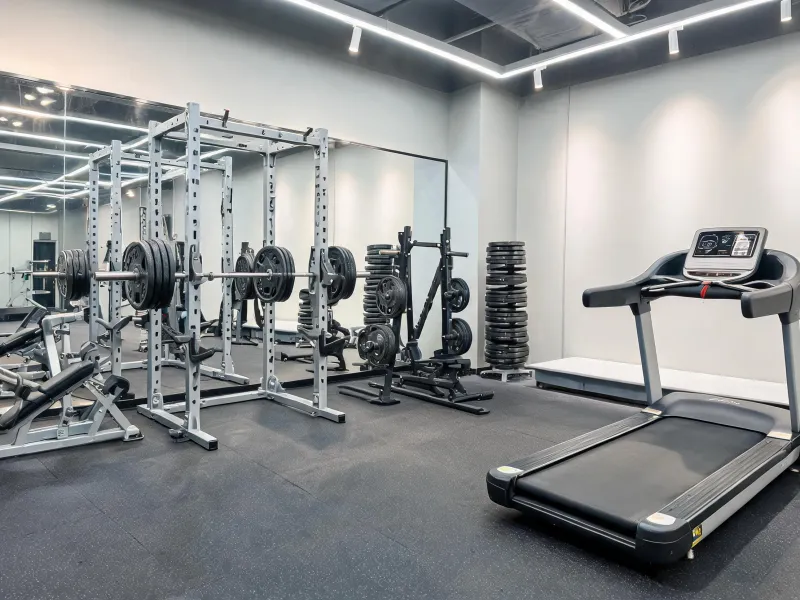
Plate-loaded stations and sprint formats serve trained users but require wider movement envelopes, plate storage, coaching oversight, and a deliberate contrast with general-member zones.
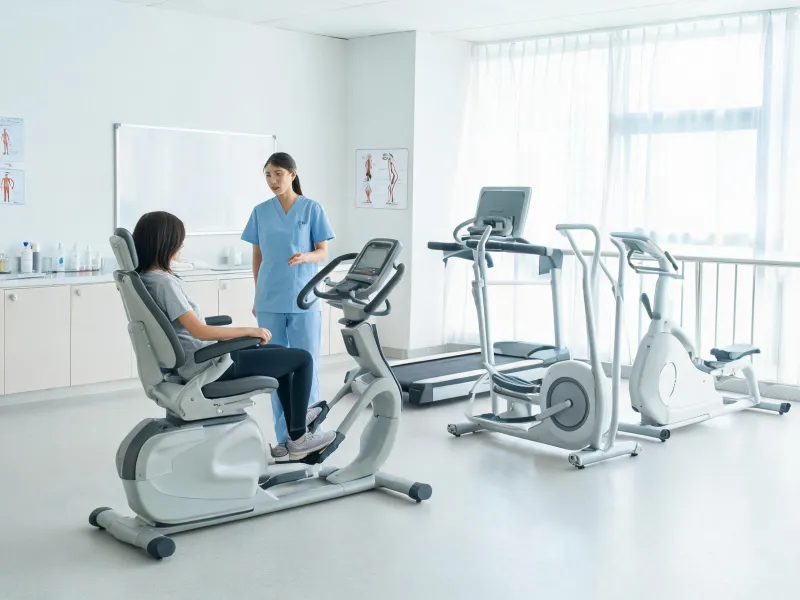
Clinical suitability is not inferred from a commercial label. Step-on height, support, adjustment increments, emergency stop behavior, and local clinical protocols require separate professional review.
Selectorized: fast pin changes support mixed-experience users and circuit flow. Plate-loaded: familiar loading and resistance feel suit strength-focused members, but demand plate handling, storage, supervision, and a larger movement envelope. Neither architecture is universally superior.
Curved: self-powered sprint work removes a drive motor and electrical draw. Motorized: controlled speed, incline programs, and deck behavior suit broader club use. Programming, user skill, acoustic goals, and maintenance capacity determine the fit.
Published reference values are screening inputs only. Maximum user weight varies by model; a 4.0 CHP class does not predict energy use under every program; a 22 × 62 in running surface does not establish accessibility; and equipment placement cannot compensate for an unsuitable structure, circuit, or emergency route.